Note: If you only read one part of this post, read about The Buena Vista.
Recall my Primer from the last post (it is also on my About page):
Journeys by nature are not efficient.
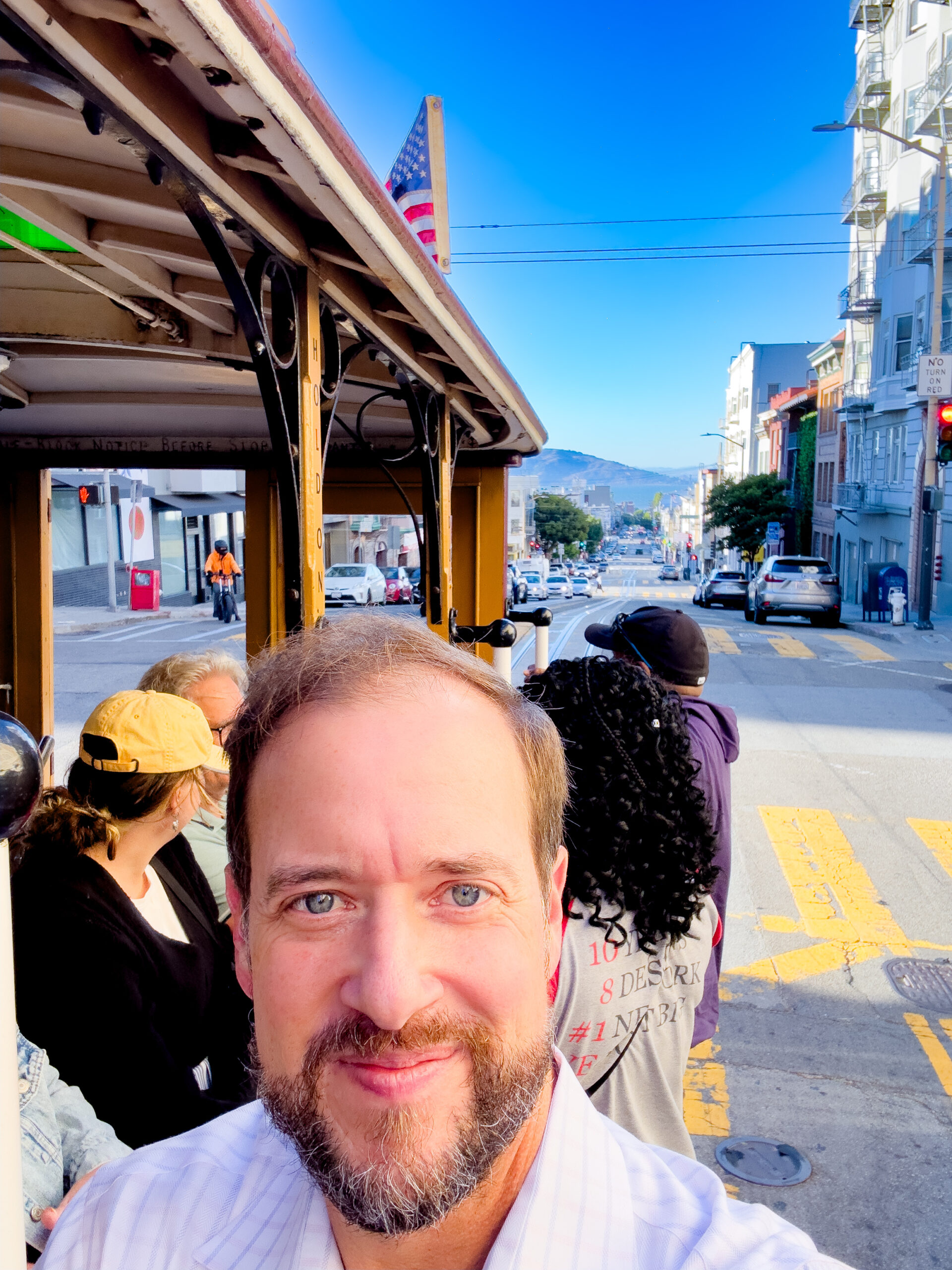
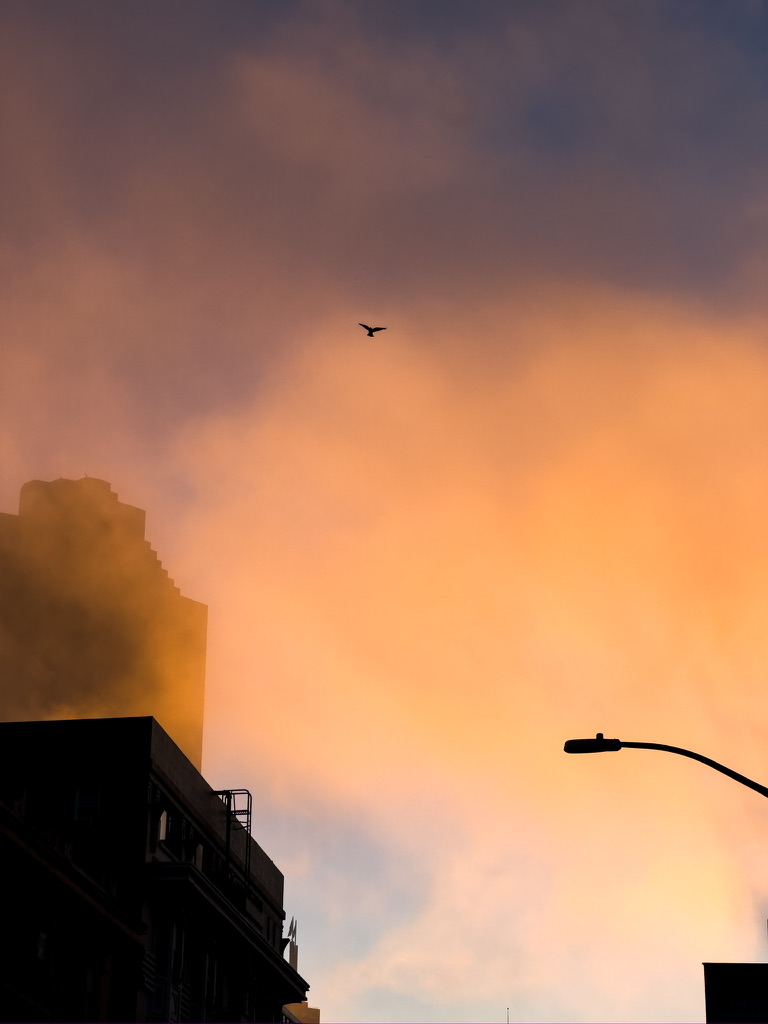
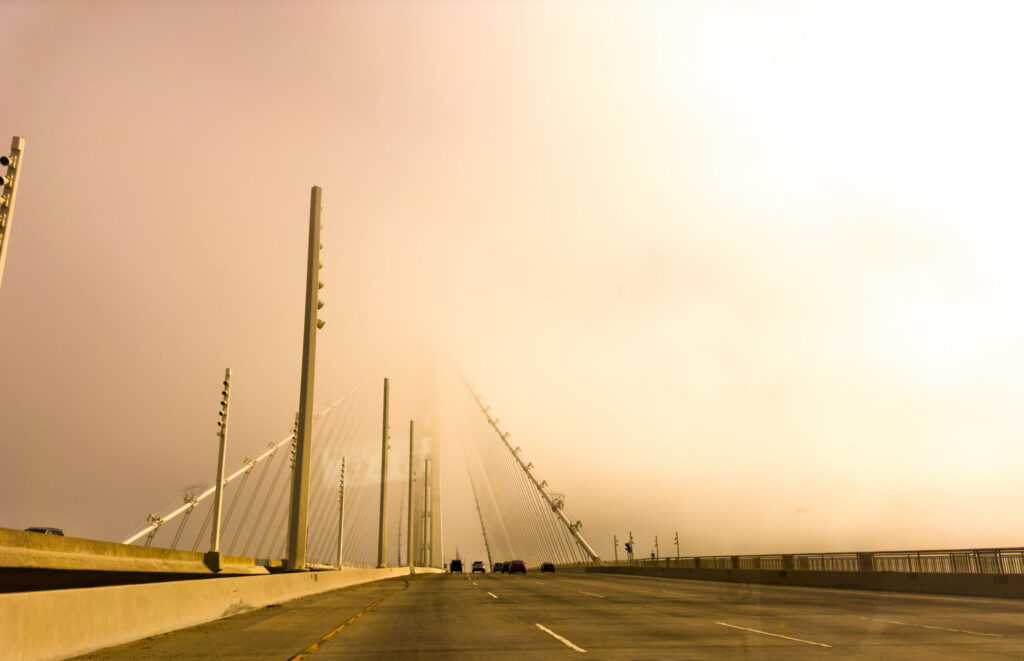
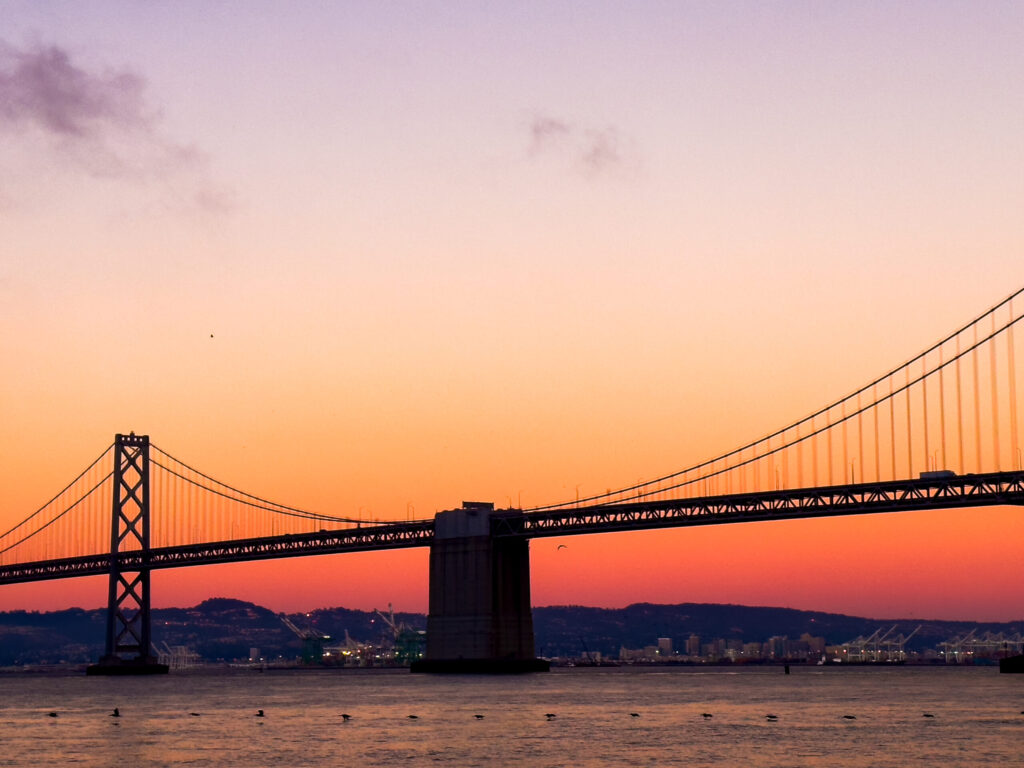
San Francisco is the ideal city to practice patience and inefficiency. It is filled with hills and hills and more hills. There is also fog. You will notice this theme throughout my photos of San Francisco. The city itself is majestic. And that fog becomes glory at sunset. Want to practice inefficiency? Ride a cable car.
Navigating the Hills: A Primer on San Francisco Transit
If journeys by nature are not efficient, San Francisco’s transit system is the ultimate proof. You can get almost anywhere in the city without a rental car, but you have to choose your adventure: Do you want the fast, subterranean route, or do you want to hang off the side of a historic landmark while climbing a 30-degree incline? I vote for the latter.
The Airport Escape: BART (Bay Area Rapid Transit)
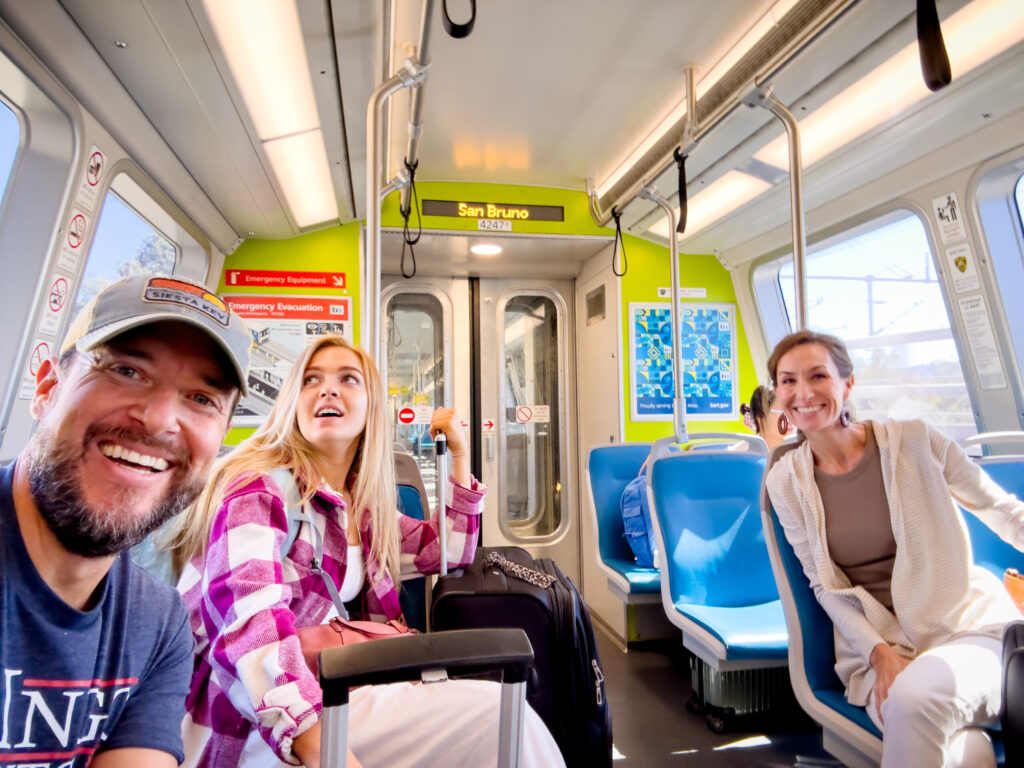
Unless you are hauling a mountain of luggage, skip the expensive rideshares at SFO. The BART train connects directly to the SFO international terminal and shoots you straight into the heart of the city in about 30 minutes. We used the Powell St station as our stop on the way to the Golden Gate Hotel.
- The Vibe: Pure efficiency. It’s a heavy-rail commuter train, meaning it’s fast, avoids all the Bay Area highway traffic, and is incredibly easy to navigate after a long flight. See the 1st blog for more on the vibe.
- Pro Tip: You don’t even need to buy a paper ticket anymore. Before you land, just add a digital Clipper Card to your Apple Wallet or Google Pay before you travel. Then tap your phone at the gate, and you’re through.
The Daily Workhorse: SF Muni
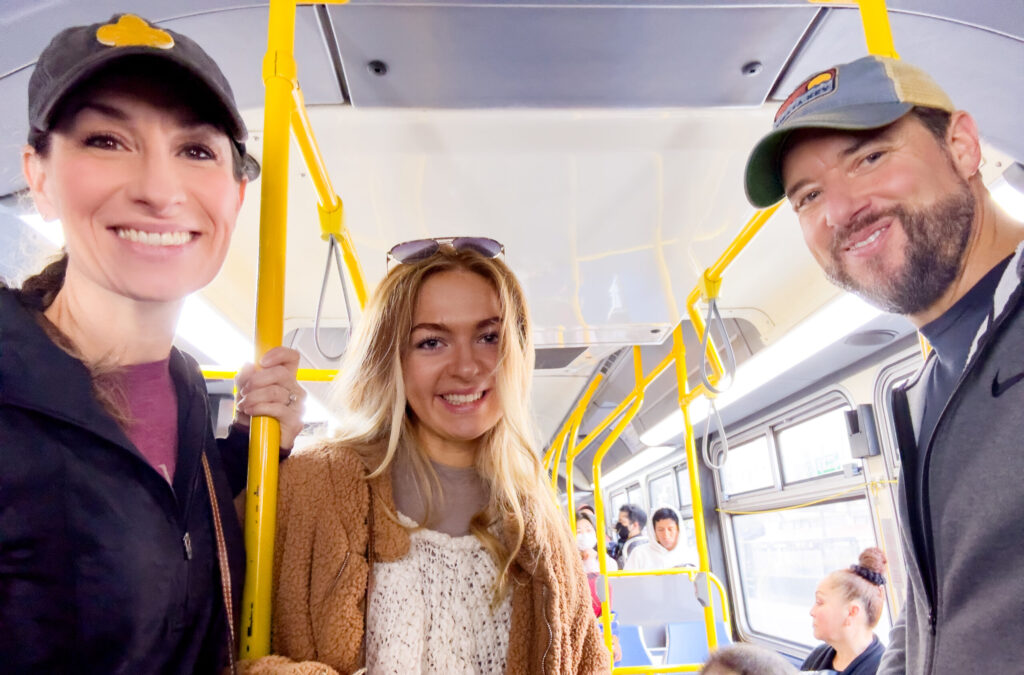
Once you are in the city proper, the SFMTA (Muni) network takes over. This is a massive web of hybrid buses, light rail trains, and historic streetcars.
- The F-Line: If you are heading to Pier 39 or Fisherman’s Wharf from downtown, look for the F-Market & Wharves line. Instead of a modern bus, Muni runs a fleet of beautifully restored vintage streetcars from cities all over the world along this route. It’s a rolling transit museum.
- The Network: The Muni buses are the unsung heroes for getting to the western, hillier parts of the city. Want to travel to Golden Gate Park, the Golden Gate Bridge, or the San Francisco Zoo? Take a Muni bus. Your digital Clipper Card works for all of these, too.
The Inefficient (But Mandatory) Icon: The Cable Cars
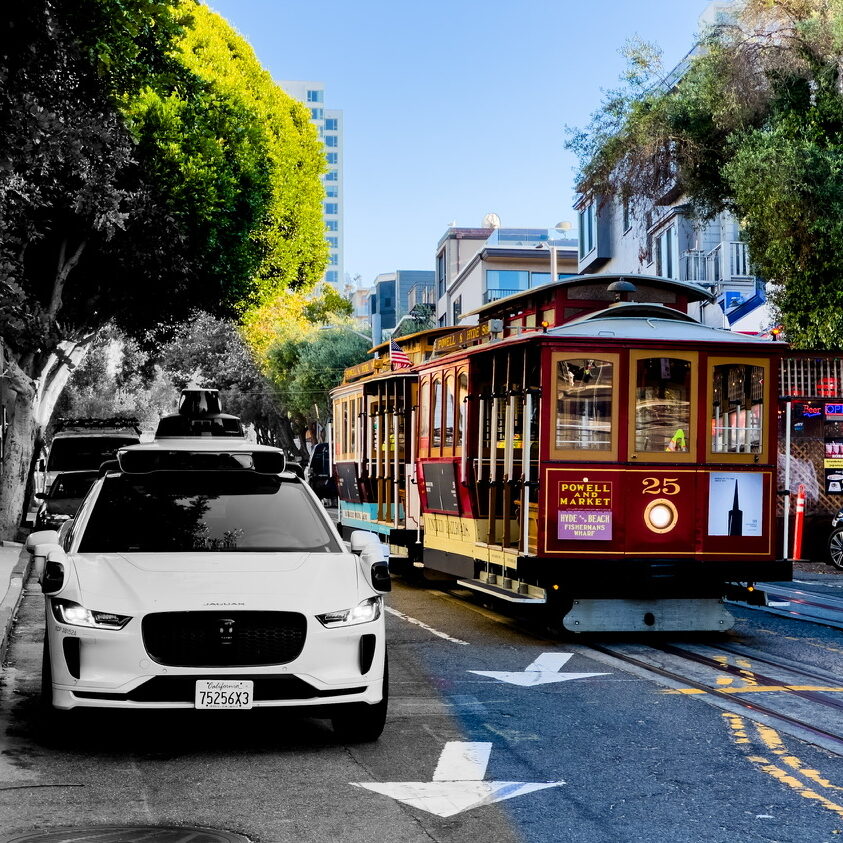
You cannot visit San Francisco without riding the Cable Cars. They are the only moving National Historic Landmarks in the world, and they still operate exactly as they did in the 1870s—grabbing onto a continuously moving cable beneath the street.
The Payoff: Hanging off the running board as the car crests Nob Hill, listening to the gripman ring the brass bell while the bay opens up in front of you—it is pure, cinematic travel magic. Take the Powell-Hyde line for the steepest drops and the best views of Alcatraz in the distance.
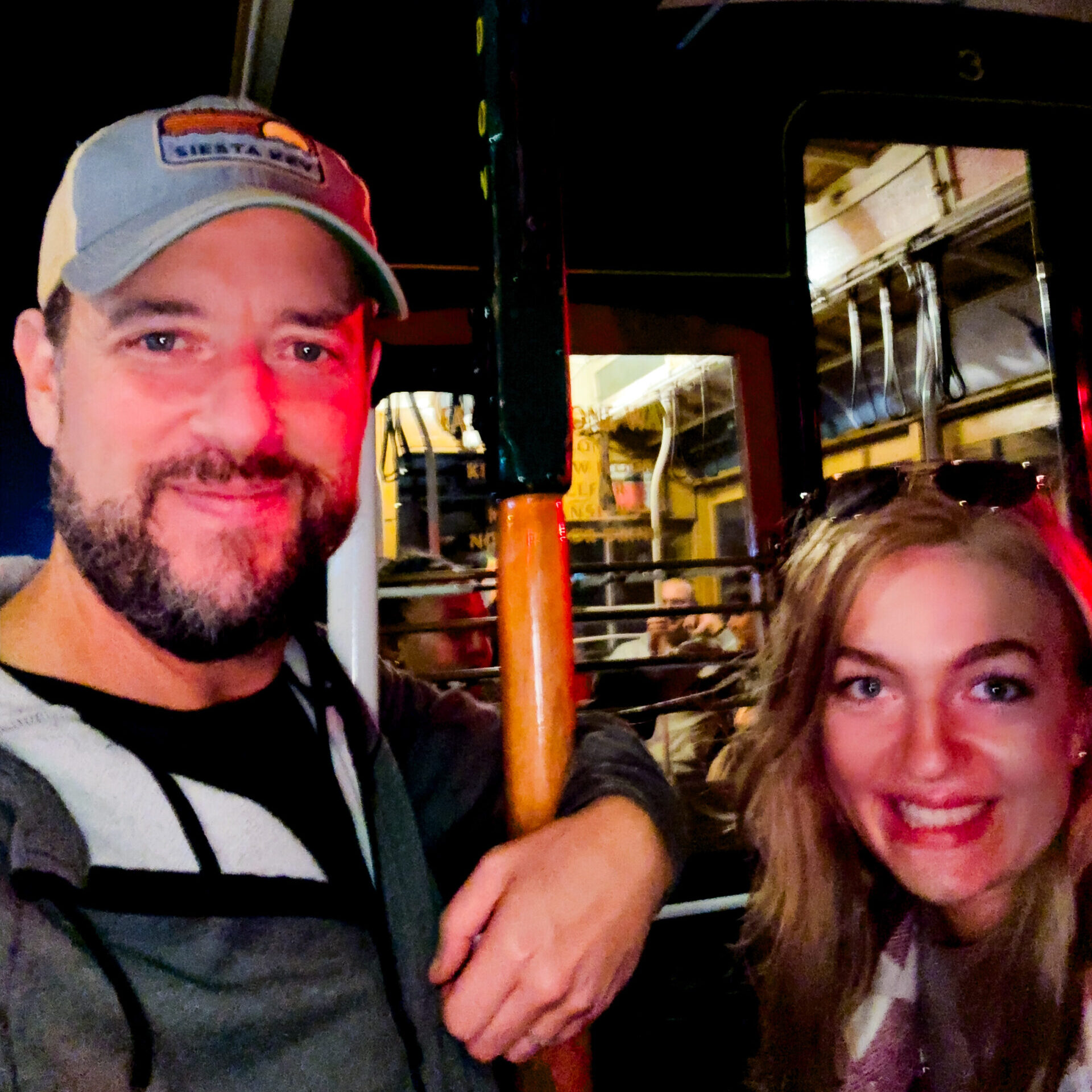
The Experience: This is where you embrace the inefficiency. The lines at the Powell & Hyde Cable Car Turntables can be long, and they move at a top speed of exactly 9.5 miles per hour. But it’s so much fun. This is about as happy as I get (while trying to not drop my phone – lol).
Places to Visit
Let’s dive into some of my favorite spots to visit in San Francisco. Excluded from this list: Alcatraz, Muir Woods, California Academy of Sciences, and the San Francisco Zoo. Those deserve their own blog post.
The Waterfront: Pier 39 & The Port of San Francisco
It is easy to look at the waterfront today and just see the tourists, but the Port of San Francisco is the literal foundation of the city. During the 1849 Gold Rush, this area was so frantic with incoming ships that hundreds of vessels were simply abandoned in the cove by crews rushing off to find gold, eventually getting buried to create the land the Embarcadero sits on today.
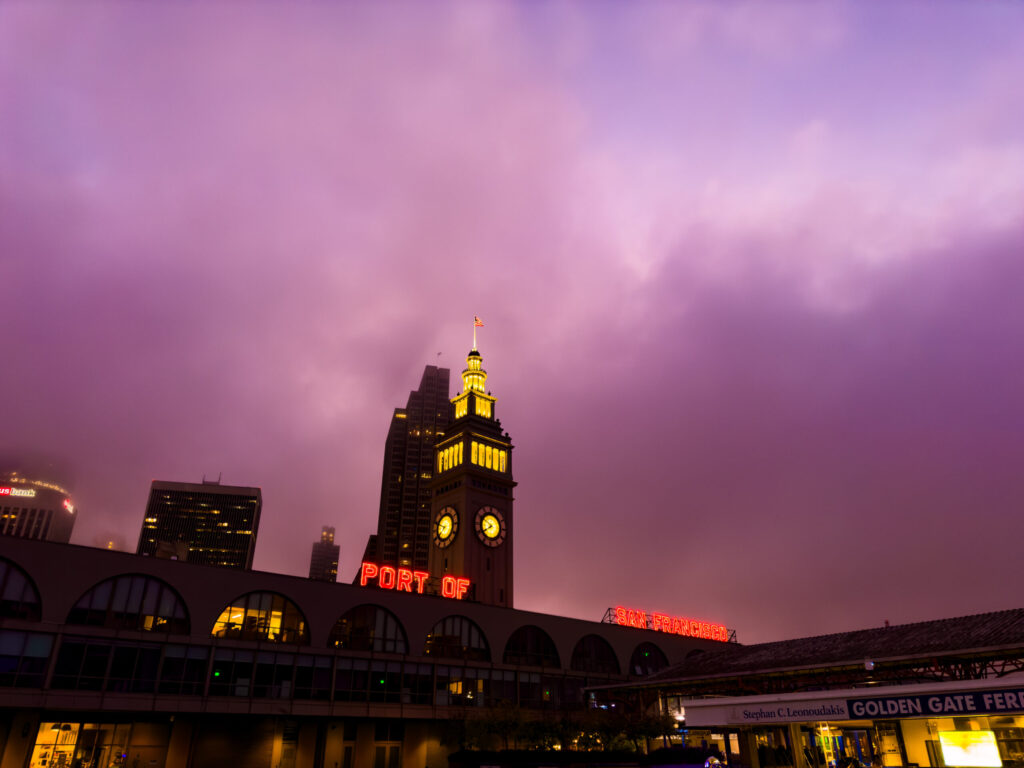
Pier 39 itself started as a working cargo pier built in 1905. It wasn’t until 1978 that developer Warren Simmons transformed the dilapidated docks into the vibrant marketplace it is today.
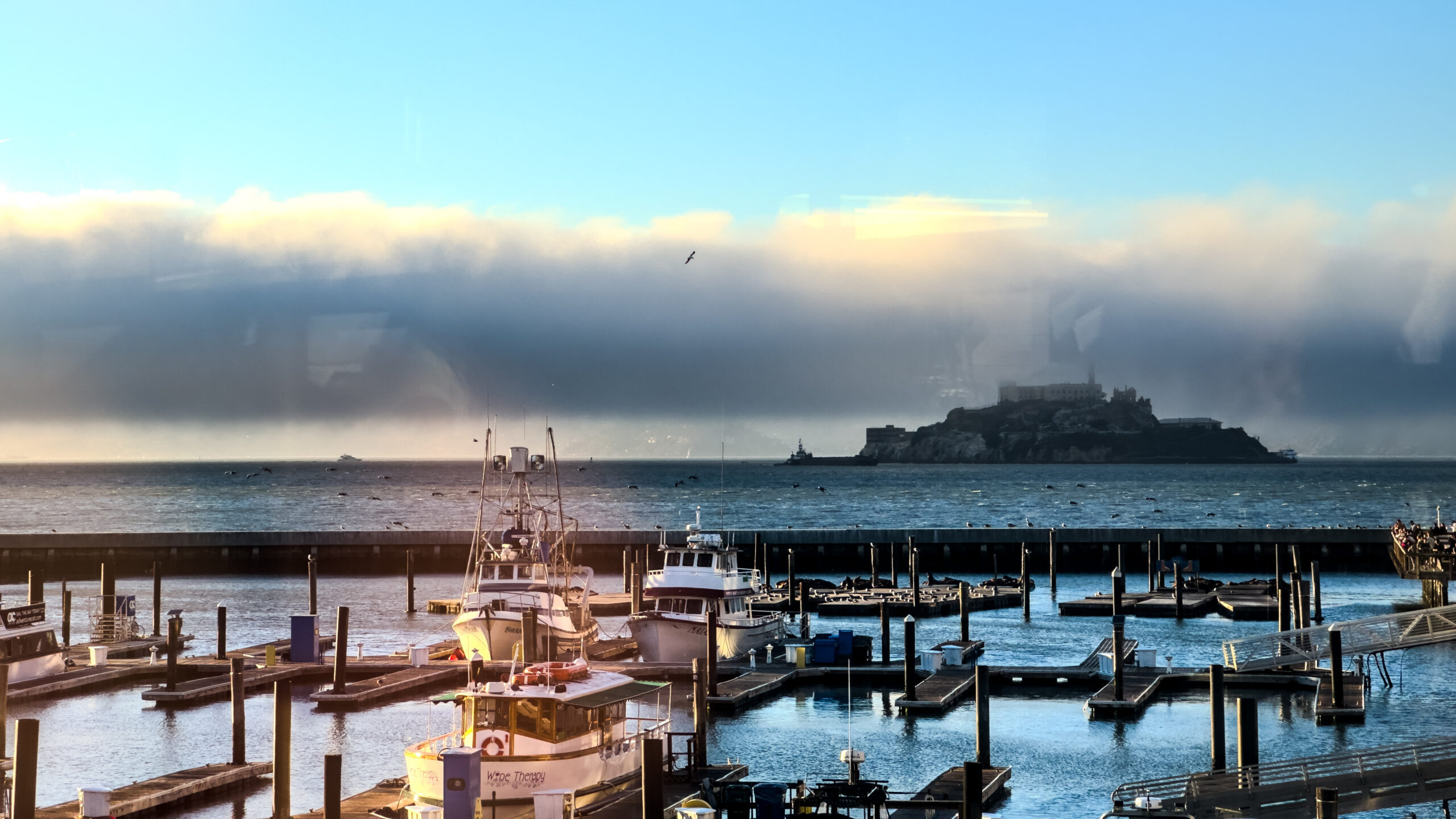
- The Sea Lions: The famous sea lions aren’t a carefully curated exhibit; they are squatters. They began arriving in droves shortly after the 1989 Loma Prieta earthquake and completely took over the K-Dock, much to the exasperation of the boat owners. Today, they are the undisputed kings of the pier. You can see them easily from the Fish Harbor House.
- Fog Harbor Fish House: If you want to eat on the pier, this is the place. It was created by the Simmons family (the same family that transformed Pier 39). A window seat offers sweeping views of the Golden Gate Bridge and Alcatraz. And in 2012, they became the very first restaurant in Fisherman’s Wharf to serve a 100% sustainable seafood menu.
The Masterclass in Architecture: Ghirardelli Square
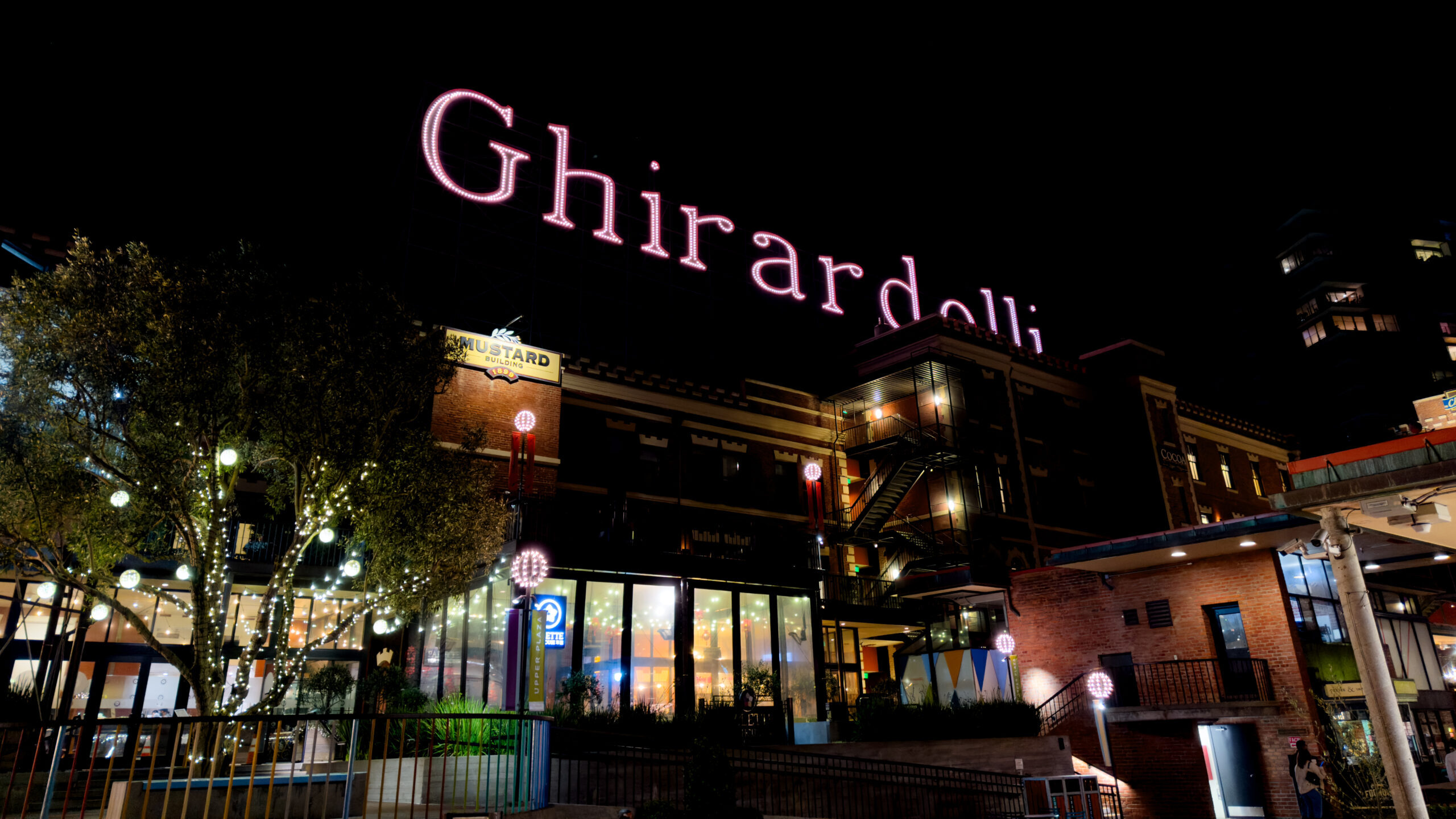
This isn’t just a place to get a massive ice cream sundae; it is a monument to urban preservation.
- The History: Italian immigrant Domingo Ghirardelli brought his chocolate business here during the Gold Rush. In the 1890s, the company took over the historic Pioneer Woolen Mills to serve as their headquarters.
- The Legacy: In the 1960s, the factory was sold, and developers wanted to tear the beautiful brick buildings down to build modern apartment towers. A group of San Franciscans bought the property to save it, transforming it into Ghirardelli Square. Opened in 1964, it is widely considered the first successful “adaptive reuse” project in the United States, setting the standard for how cities across the world preserve their historic brick warehouses today.
The Urban Oasis: Golden Gate Park
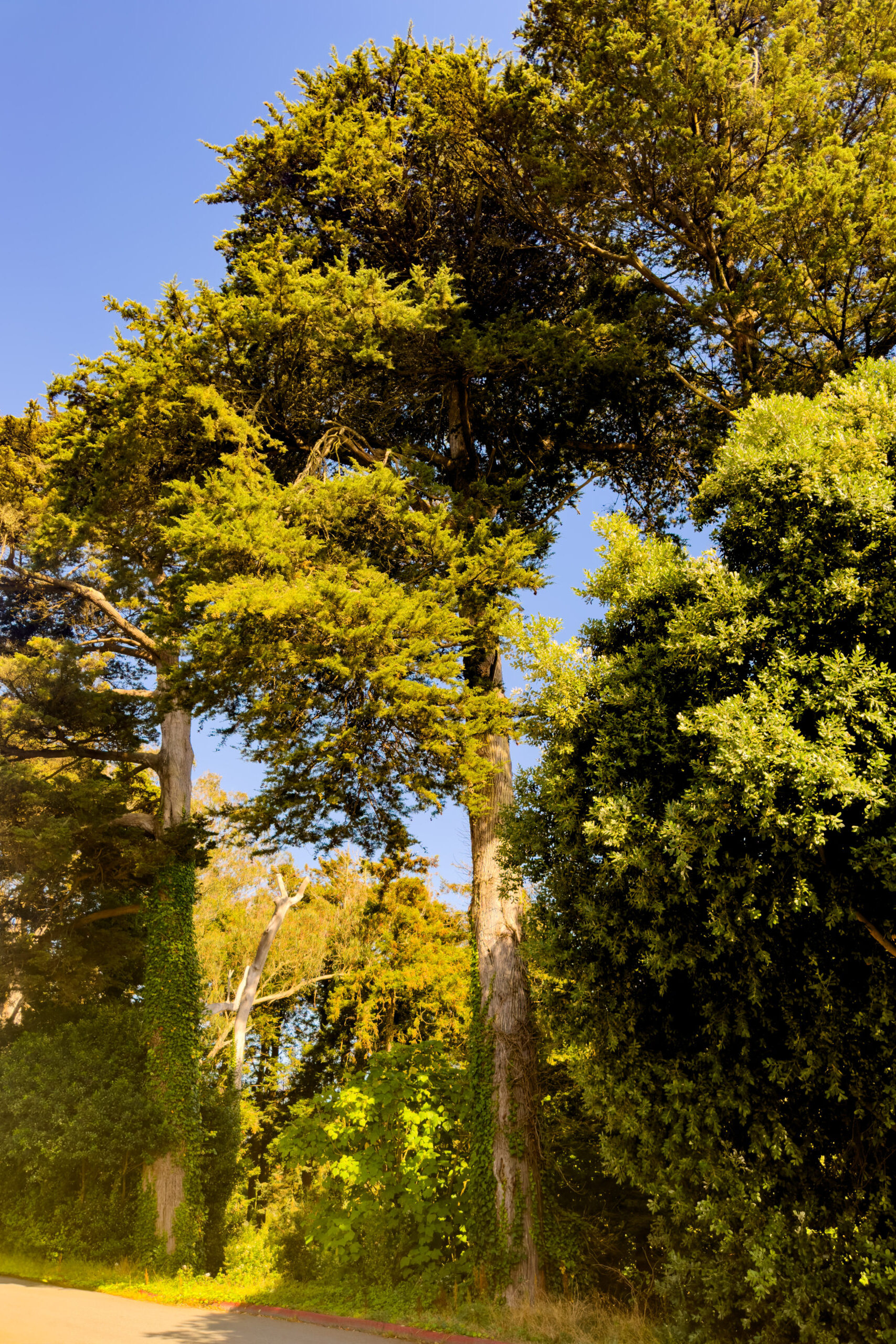
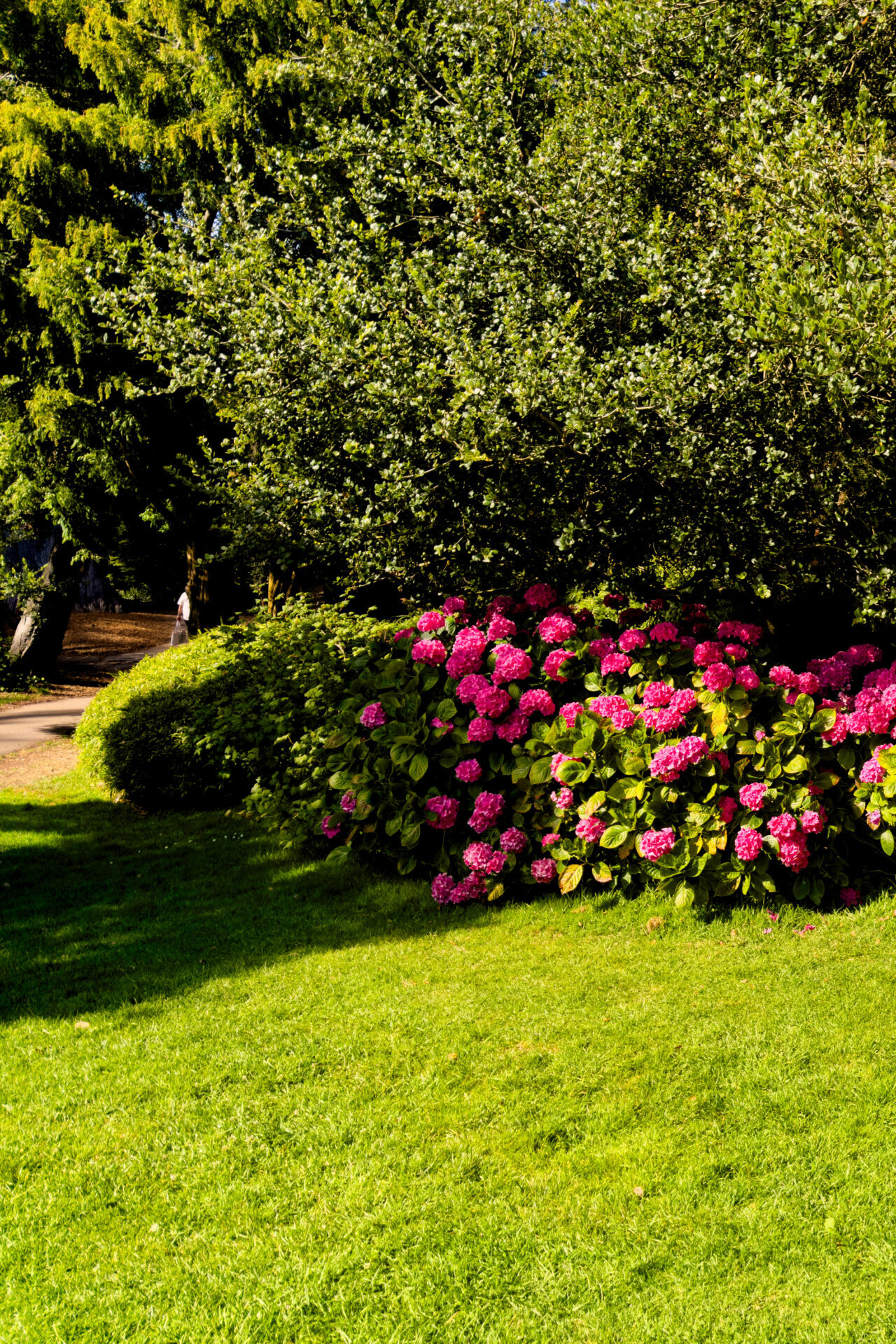
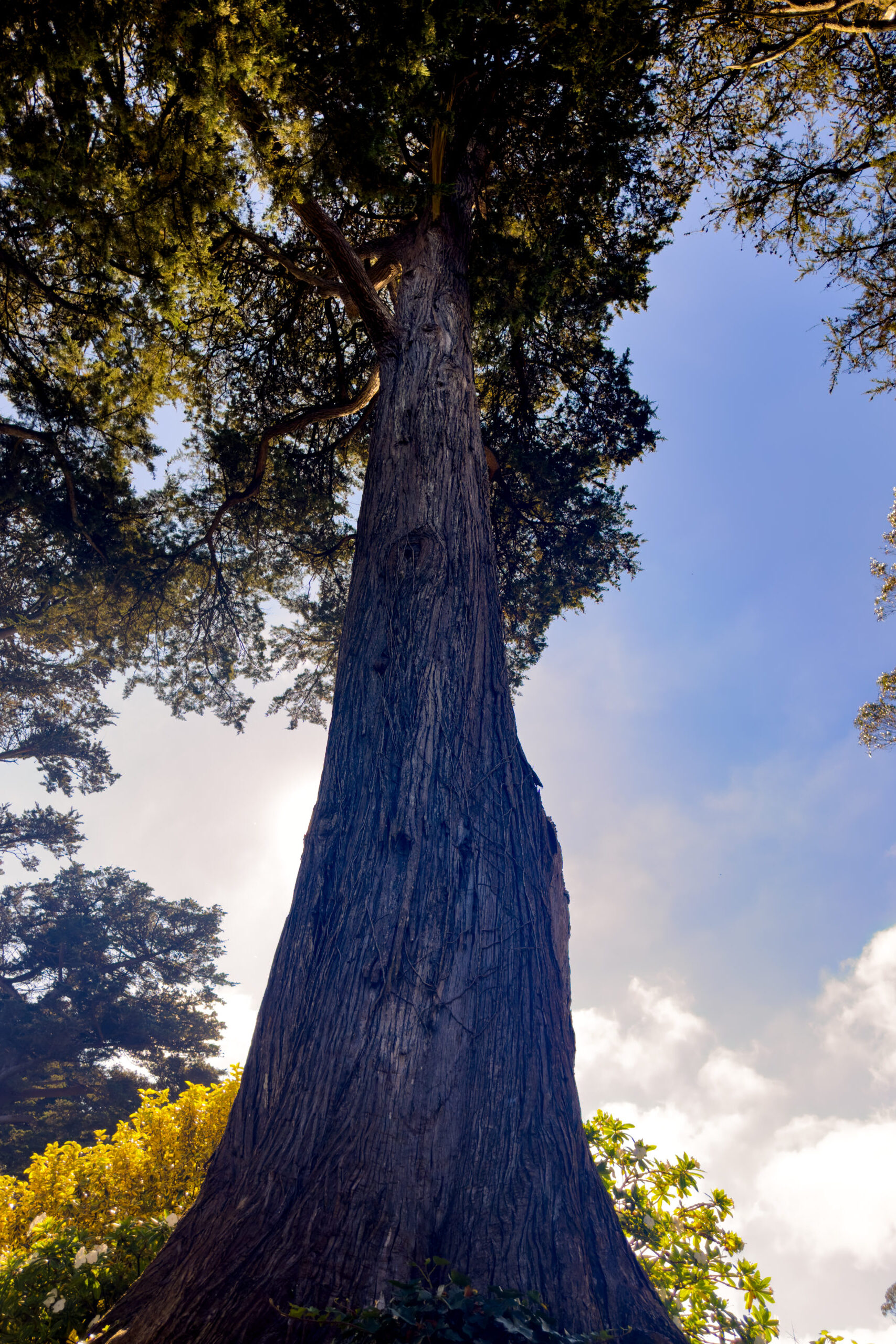
If journeys are about inefficiency, Golden Gate Park is the ultimate place to get wonderfully lost. Most people don’t realize that this park is actually 20% larger than New York’s Central Park. Even more incredibly, it isn’t a natural forest. In the 1870s, this massive 1,000-acre rectangle was nothing but barren, windswept sand dunes. It took decades of visionary landscaping to cultivate the lush, sprawling oasis of gardens, museums, and hidden lakes that exist today. It is also home to the California Academy of Sciences, which I will write more about in a future blog post.
The Bustling Heart: Union Square
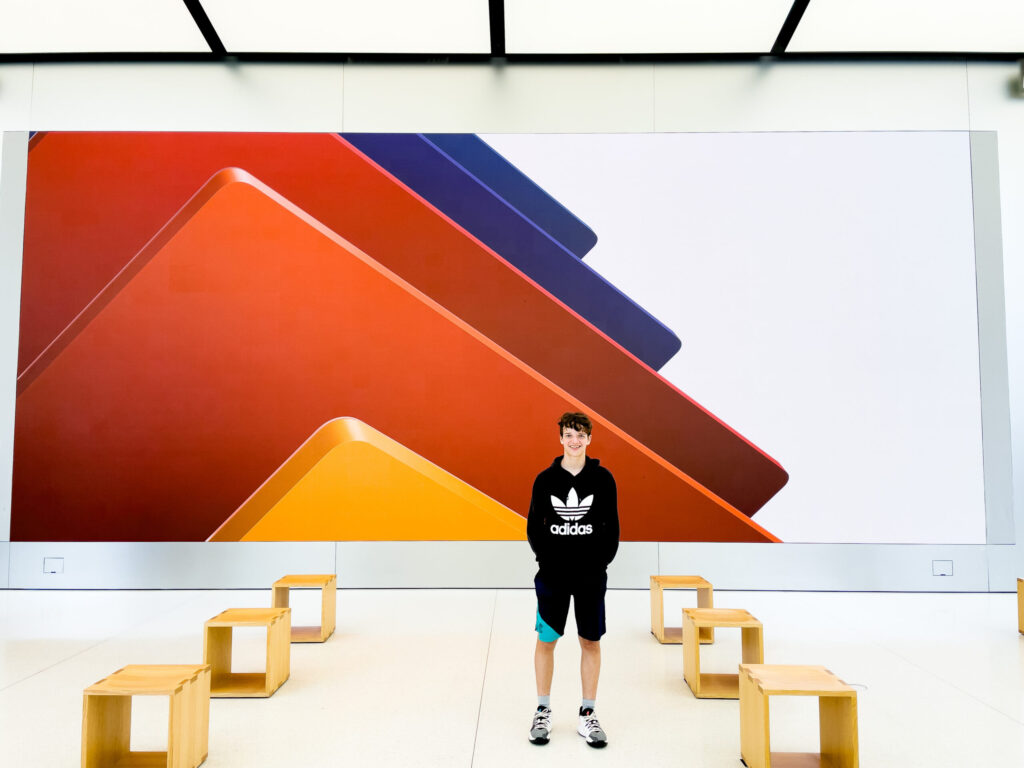
If you want to feel the sheer vertical scale of the city, stand in the middle of Union Square. Named for the pro-Union rallies held here during the Civil War, it is now the bustling, high-end retail heartbeat of San Francisco. Flanked by massive department stores and historic hotels, the square is anchored by the towering Dewey Monument. It is the perfect place to grab a coffee, sit on the steps, and watch the cable cars continuously cycle past on Powell Street. It also houses one of the most beautiful Apple Stores in the world.
Where to Eat
We already discussed The Fog Harbor Fish House but I wanted to note a few other places to eat. I’ve been looking forward to writing about the 2nd one.
San Francisco is a city obsessed with culinary trends, but if you want to understand its true soul, you have to look past the modern tasting menus and step into the places that have been serving comfort to travelers for nearly a century. Here are two absolute legends that prove the best recipes are the ones that never change.
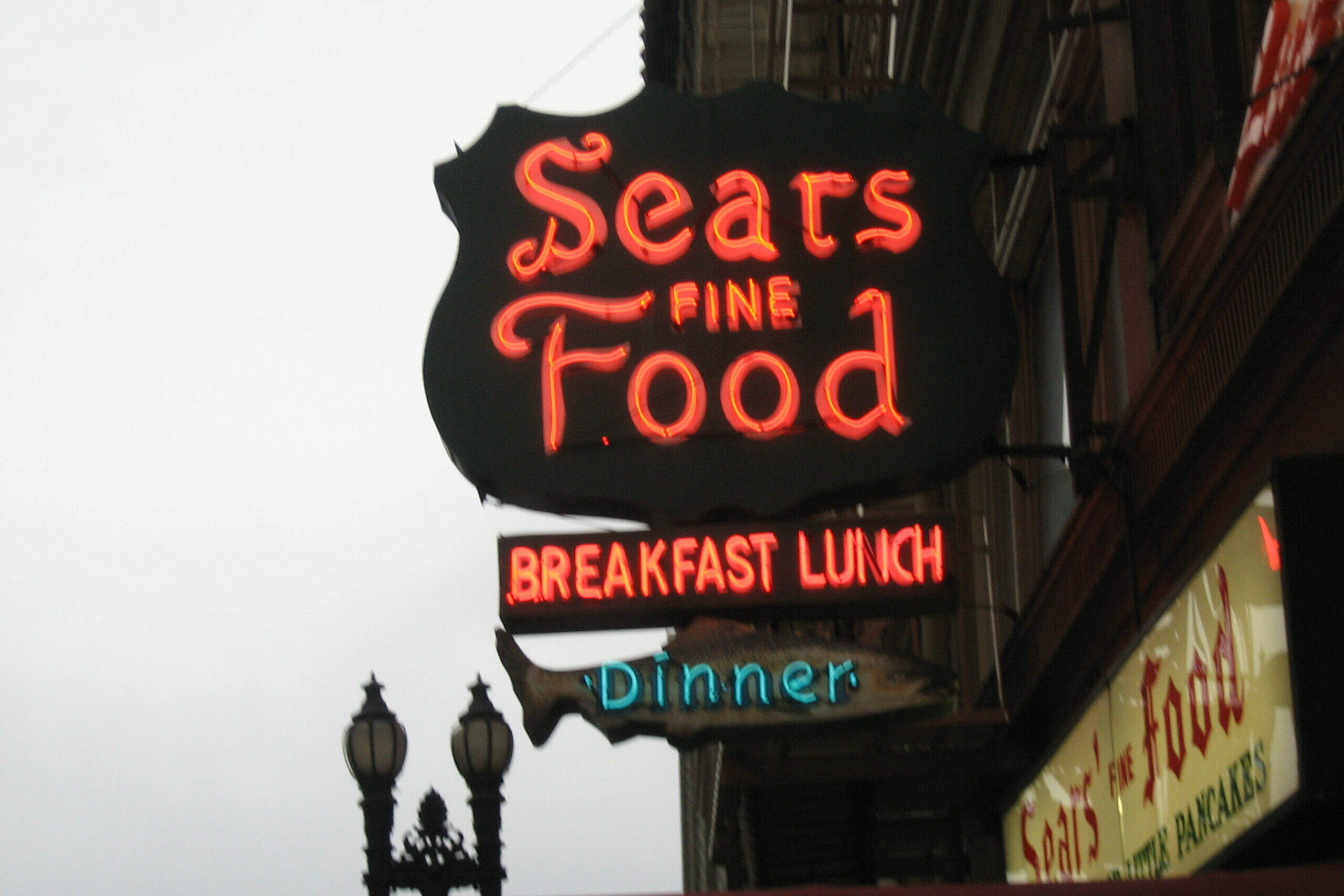
Sears Fine Food: Pancakes & Pink Cadillacs
Just off Union Square on Powell Street sits Sears Fine Food, a breakfast institution that has been flipping its world-famous 18-plate of Swedish pancakes since 1938. The origin story alone is wonderfully inefficient: it was founded by Ben Sears, a retired circus clown, and his wife Hilbur, using a cherished recipe from her Swedish family.
But the best part of their history isn’t just the food; it was their approach to hospitality. Back in the day, the restaurant was so popular that Ben created the “Cadillac Waiting Room”. He would park two pink Cadillacs right in front of the diner, leaving the heaters running and the radios playing so the waiting crowds could stay warm and entertained before their table was ready.
Sears Fine Food opens at 7 am. It is the perfect first stop of your day if you stay at the Golden Gate Hotel (see the 1st blog).
The Buena Vista: The Birthplace of the American Irish Coffee
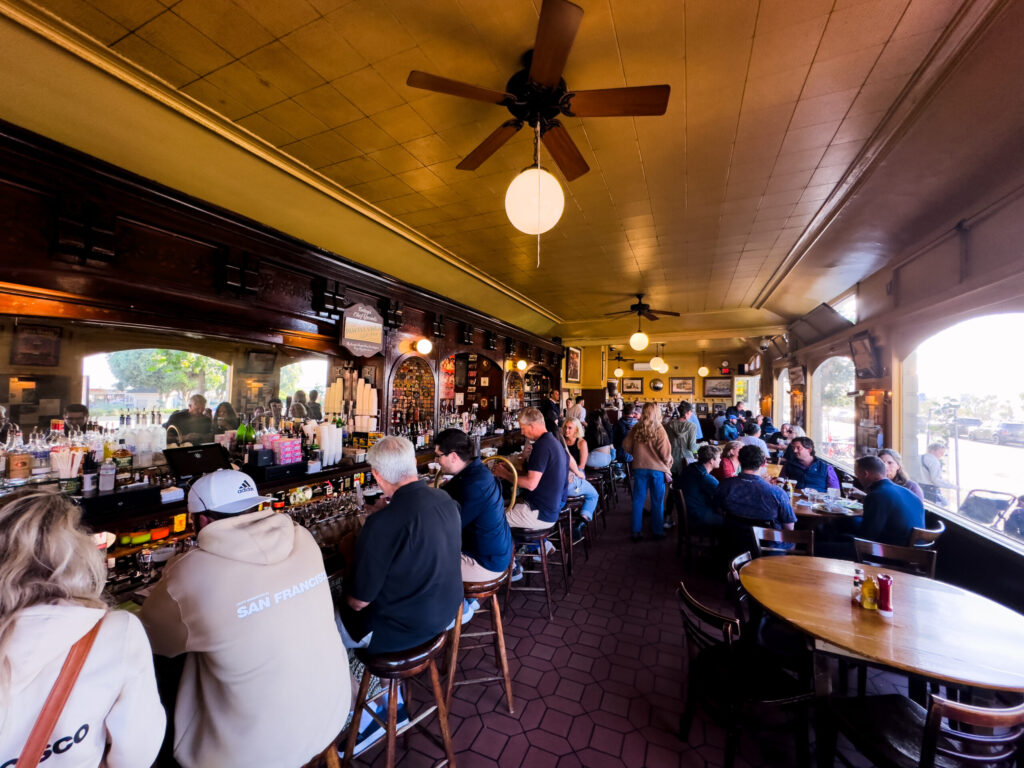
Down near Fisherman’s Wharf, across the street from the Powell & Hyde Cable Car Turntable (the end of the line), you’ll find The Buena Vista. The building originally started as a boardinghouse, but the bottom floor was converted into a saloon in 1916, serving as a warm, front-row seat for local fishermen scouting the bay for incoming boats. Now it houses an Irish Pub.
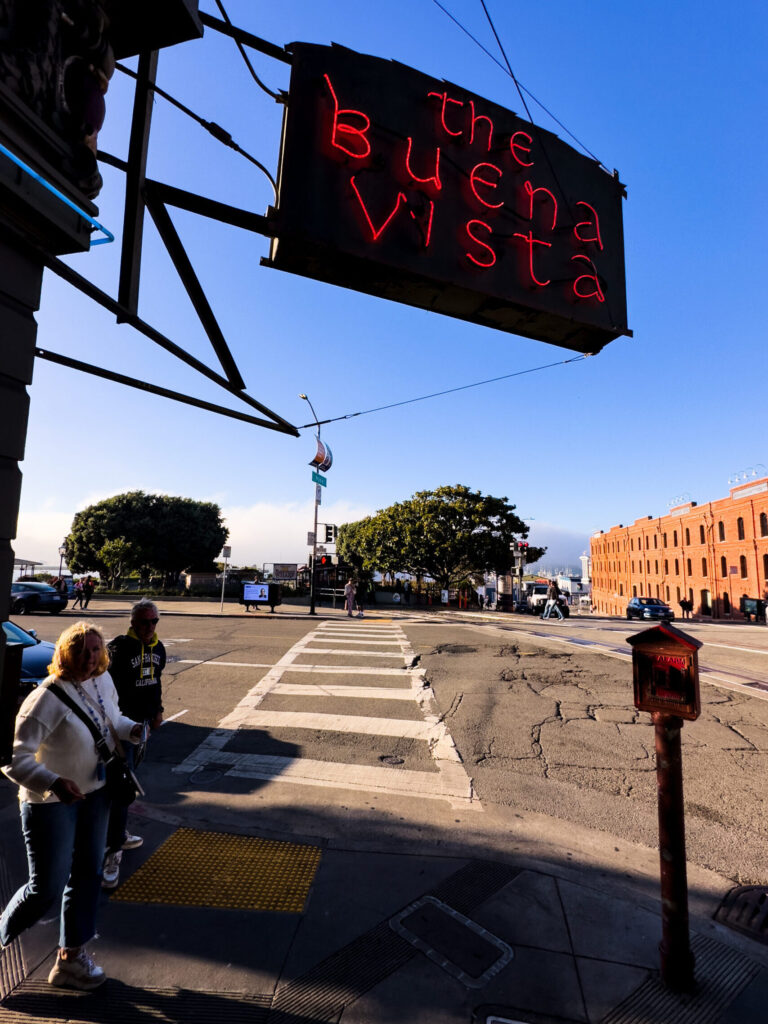
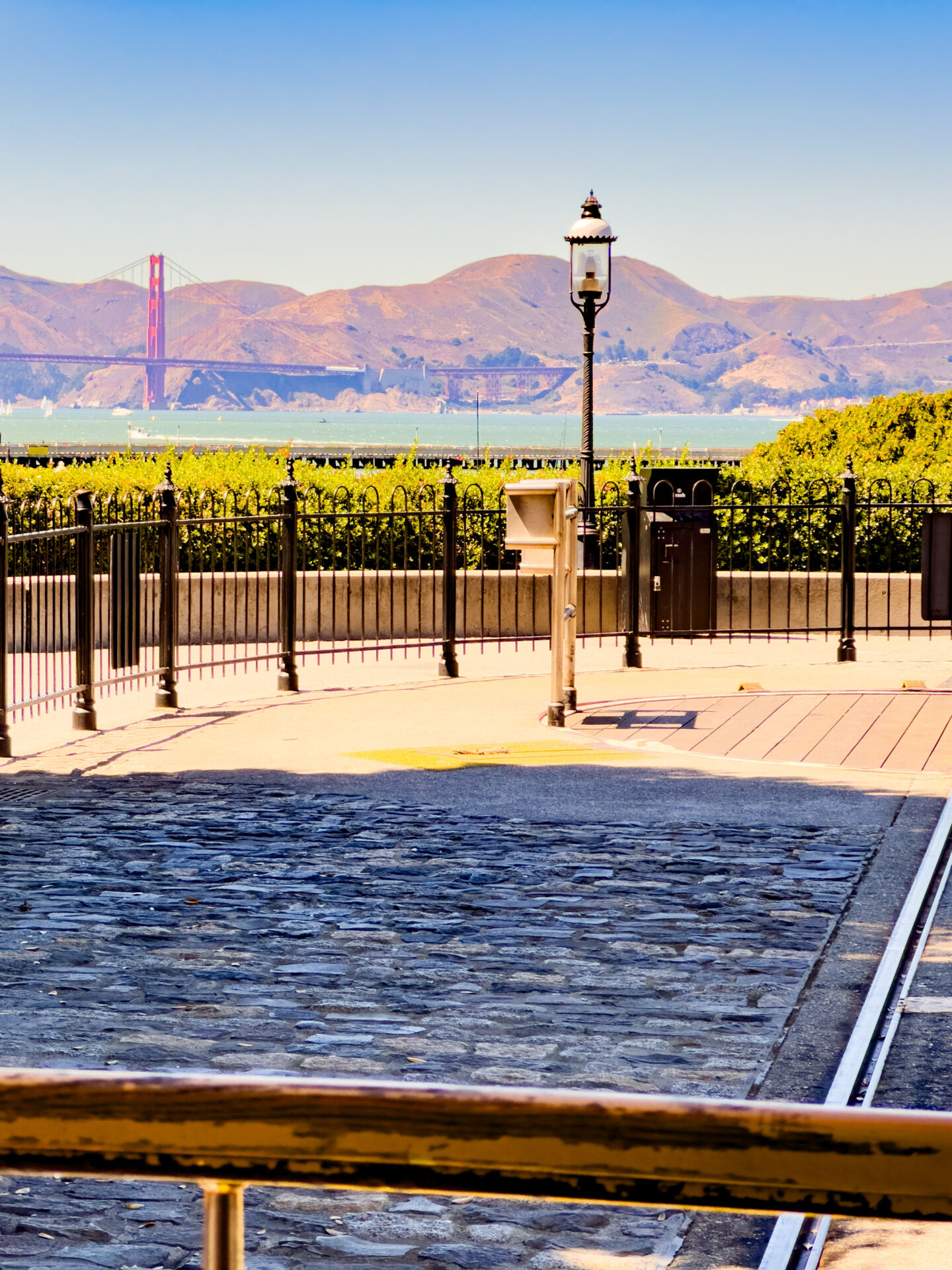
The Buena Vista’s claim to fame happened on a November night in 1952. Owner Jack Koeppler and a Pulitzer Prize-winning travel writer named Stanton Delaplane obsessively tried to recreate a specific Irish Coffee that Delaplane had tasted at Shannon Airport in Ireland. They spent hours perfecting the whiskey and the brew, but the cream kept sinking to the bottom. The beautifully ridiculous solution? They consulted the Mayor of San Francisco, who happened to be a prominent dairy owner. He told them to age the cream for 48 hours and froth it to a precise consistency. It floated perfectly, and the Buena Vista’s legendary Irish Coffee was born.
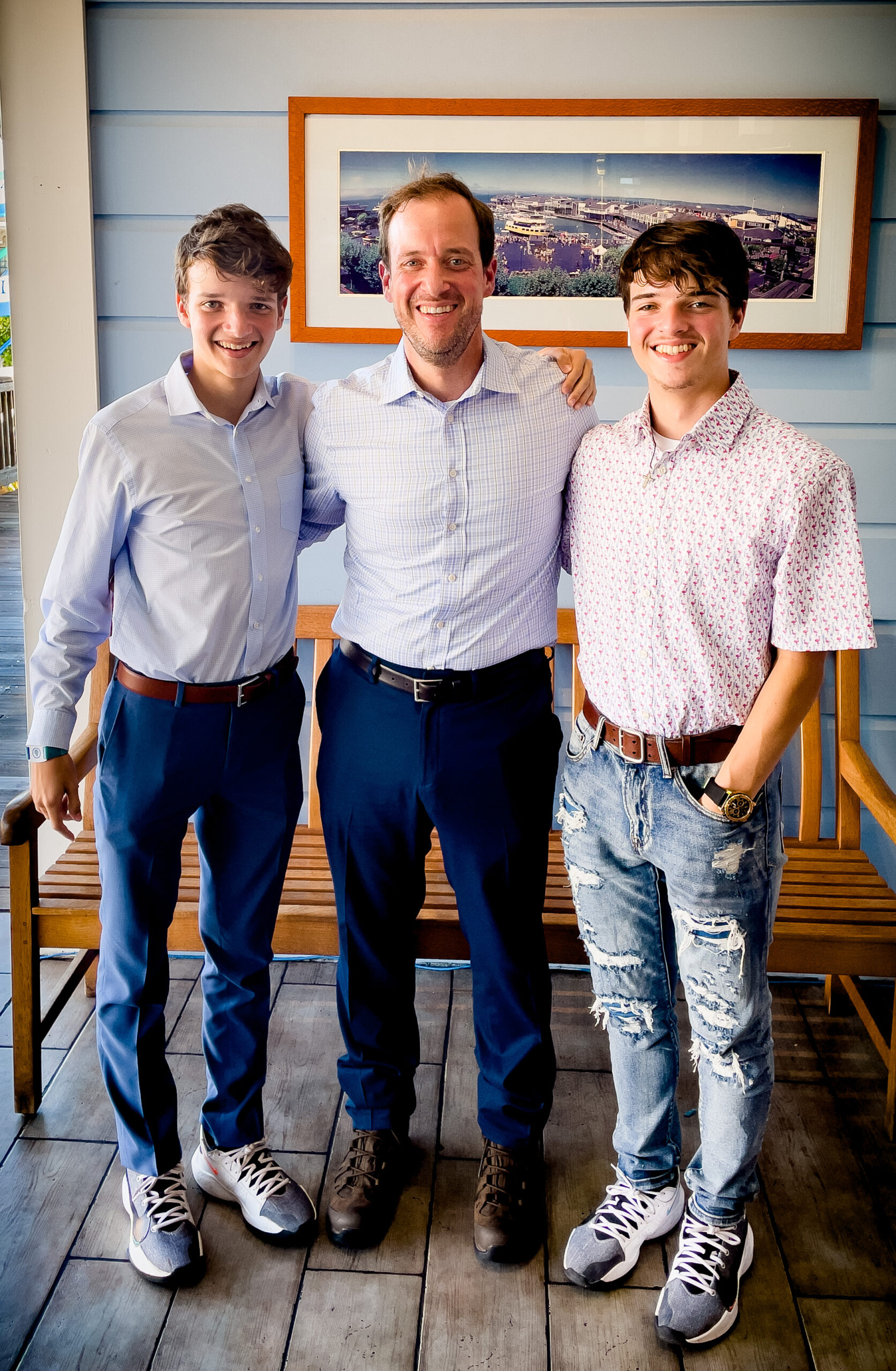
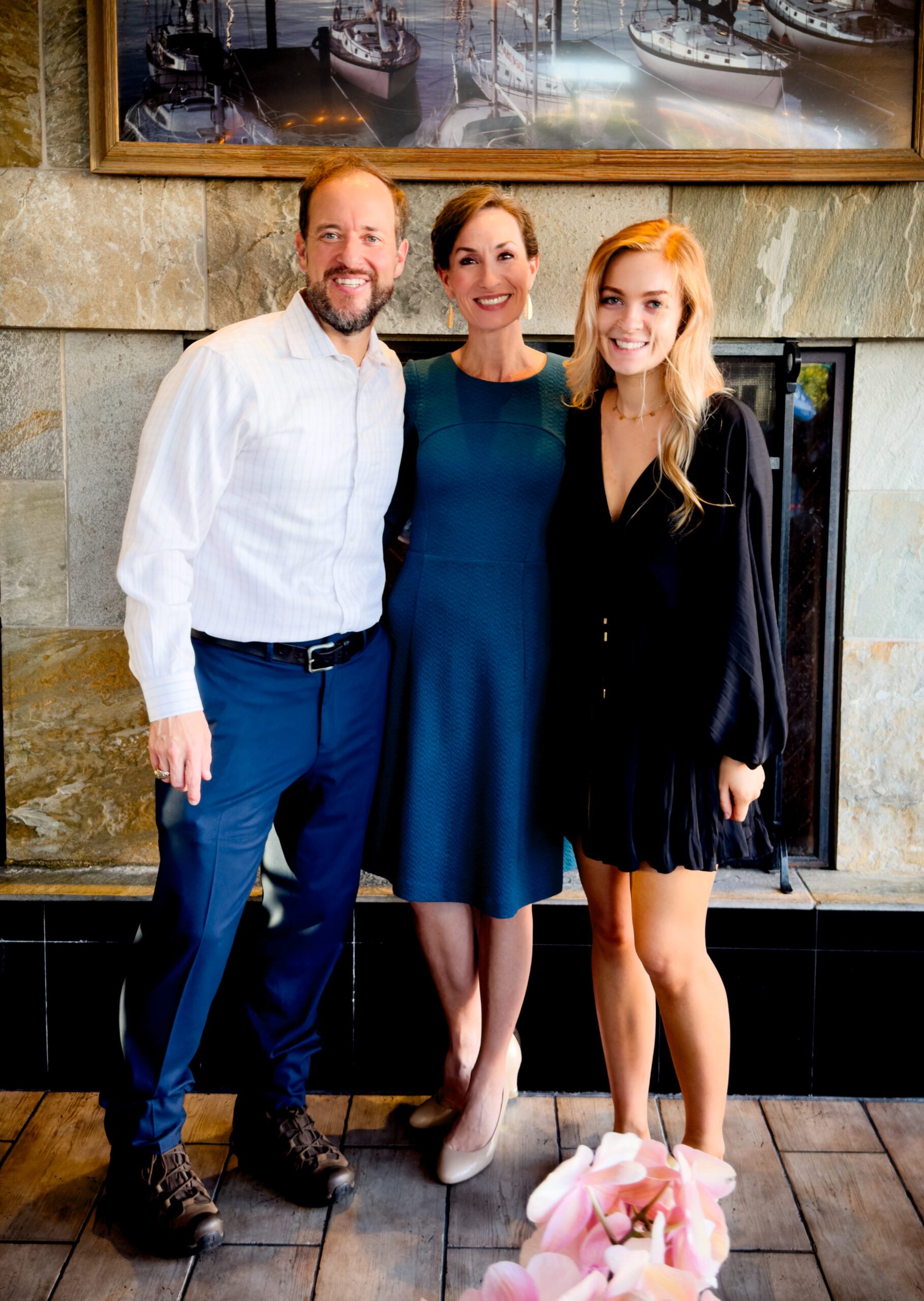
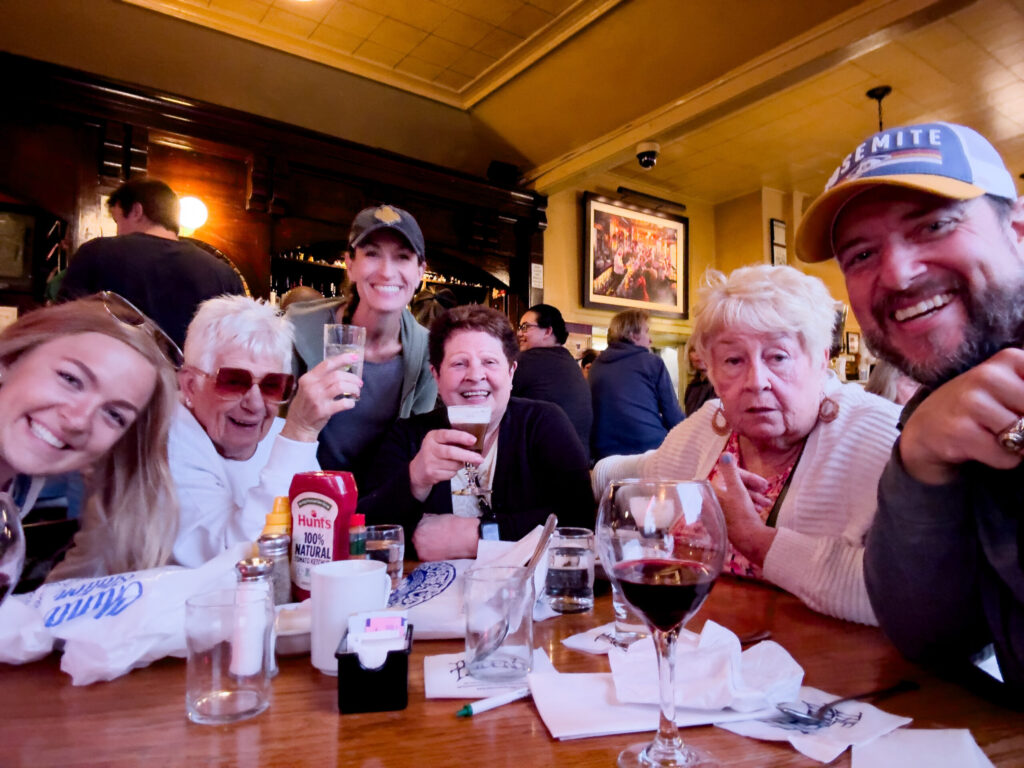
We went there on a lark and boy did The Buena Vista have it’s own treat for us. If you have a small party, the host may ask you to share a large table. We very reluctantly agreed. And then three of the most fun British lasses joined us at our table. Yes, that is the legendary Irish Coffee in one of their hands. We had not laughed that hard in a long, long time. Not knowing the history of the slang term, we once referred to them as ‘British Chippies’ and I thought the whole restaurant looked our way. Truly one of my favorite travel memories ever.
“I will treasure it in my heart for my whole life.” -Our Daughter
What is to Come
As a reminder, this is one blog post in a thirteen part blog series on this journey. Here is the outline with links to the other blogs.
- The Greatest Trip in the World
- Hang Off the Cable Car: San Francisco (this blog)
- Go to Prison with Us: Alcatraz
- The View: Muir Woods
- Focal Point: California Academy of Sciences
- Behind the Lens: San Francisco Zoo
- Road Trip to Yosemite
- Peachy: Ramos Country Corner
- Earthy: Mountain Sage Coffee
- Yosemite Overview: Basecamp Logistics, Resources, and Iconic Sights
- Triumphant: Half Dome Hike
- Wandering in Yosemite
- Sweeping: Grand Tour Hike (Four Mile Trail -> Panorama Trail)
A few more photos for those who made it this far.

One response to “Hang Off the Cable Car: San Francisco”
[…] Hang Off the Cable Car: San Francisco […]